If you feel like marketing has changed more in the last six months than it has in the last five years—you’re right. We’re not just talking about new platforms or algorithm tweaks anymore. We’re talking about a fundamental shift in how marketing operates.
AI isn’t coming later. It’s here now. But the smartest brands aren’t just adopting AI tools—they’re learning how to layer AI into their workflows without losing the human strategy that actually makes marketing work.
So let’s break down what’s happening in the digital space, where it’s headed, and most importantly—how you can use these changes to build a brand that grows sustainably.
Why this Matters
AI isn’t “replacing marketers”—it’s replacing old marketing habits.
The brands that will thrive in this new landscape aren’t the ones that post more often or spend more on ads.
They’re the brands that combine smart automation with real human intention.
In other words:
Use AI to work faster, smarter, and leaner—but let humans set the tone, the values, and the strategy.
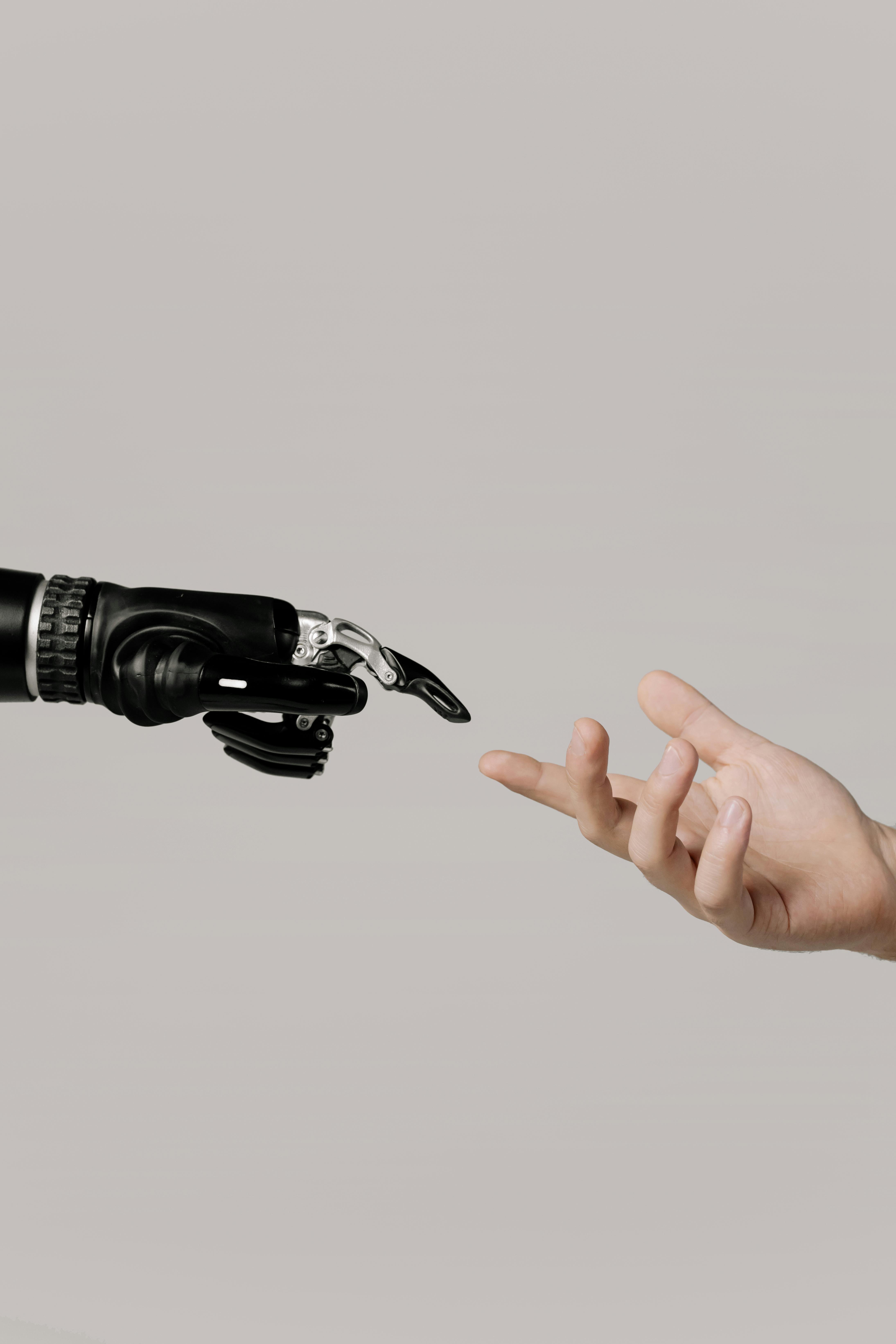
What’s Changing (July 2025 Edition)
Here’s a deeper look at what’s happening, and how to translate it into practical action:
1️⃣ Meta & The Rise of Social SEO: Your Posts Are Now Searchable
Until now, social content lived mostly inside apps—Instagram posts stayed on Instagram, Facebook updates stayed on Facebook. That’s changing. Meta has officially allowed Google and Bing to index public Instagram and Facebook content.
What this really means:
- Your Reels, captions, photos, and videos might show up in search engine results, not just social feeds.
- It blurs the line between social content and website content.
- It also means your brand’s digital footprint is suddenly wider than you thought.
Strategic takeaway:
Start treating your social media like part of your search strategy.
Here’s how:
- Use search-friendly language in captions. Think less “random scroll content” and more “what would my ideal client actually Google?”
- Use alt text properly. Not just for accessibility, but to help search engines understand your images.
- Add location tags, product tags, and keywords where relevant.
- Think beyond trends. Trendy posts die quickly—searchable posts last longer.
Real example:
If you’re a wellness studio, don’t just post a Reel saying:
“Happy Monday! 🧘♀️”
Instead, caption it with something search-friendly like:
“Looking for a Perth yoga studio that offers beginner classes? Here’s how our new flow sessions work.”
2️⃣ Meta’s Automated Ads: Friend or Foe?
By 2026, Meta plans to fully automate ad creation and targeting. Upload a product image. Set a budget. The AI builds the creative, picks the audience, and runs the campaign.
Sounds convenient, but here’s the risk:
Automation optimises for efficiency, not emotion.
It knows how to sell, but not how to connect.
How to use it to your advantage:
- Let AI handle the technical testing (copy variations, audience splits).
- But keep humans in charge of the brand tone, story, and values.
- Use automated ads for cold traffic (new leads), but create manual, thoughtful campaigns for nurturing your community.
Pro tip:
Train the AI on your brand. Use consistent brand language across your website, social, and ads—so the machine starts learning your tone.
3️⃣ Google AI Overview: Goodbye Clicks, Hello Conversations
Google’s AI Overview now summarises search results right in the search bar. Users get answers without clicking links.
For marketers, this changes everything.
What’s happening:
- Google is moving from Search Engine → Answer Engine.
- The AI compiles key takeaways from multiple sources, meaning brands lose traffic unless they’re the source of truth.
How to stay relevant:
- Create content that AI wants to pull from: clear, direct, helpful.
- Use structured data (FAQs, How-To Guides, simple headings on your website).
- Answer questions in your niche better than anyone else does.
Example:
Instead of writing blog titles like:
“5 Ways to Improve Your Morning Routine”
Write:
“What’s the Best Morning Routine for Productivity? (Here’s the Answer)”
Make it easier for AI (and humans) to find exact answers.
4️⃣ HubSpot’s AI Integration: CRM Is Getting Emotional
HubSpot has added AI layers that don’t just track sales pipelines—they track customer sentiment.
They’ve acquired Frame AI, which analyses conversations, emails, and chats to spot patterns like:
- Is this customer happy?
- Are they about to churn?
- Is there an upsell opportunity hiding in plain sight?
Why this matters:
In 2025, relationship marketing is everything.
The brands that win aren’t just chasing new leads—they’re building communities and listening to what their audience is actually saying.
Your Next Steps
Here’s how to stay ahead without losing yourself in the noise:
✅ Audit your current content.
- Are your social posts searchable?
- Are your website pages structured for AI Overviews?
- Are you speaking your customer’s language—or just your industry’s?
✅ Clarify your “why.”
AI can automate how, but you need to know why you’re doing what you’re doing.
Growth? Retention? Authority? Connection? Be clear on the goal.
✅ Keep learning. Keep refining.
This isn’t about getting it perfect today—it’s about building systems that can evolve with the tech.
Stay Human, Stay Intentional
The brands that thrive in 2025 won’t be the loudest.
They’ll be the clearest, the most connected, and the most consistent. AI is a tool—not a replacement for brand heart, human connection, or purposeful marketing.
Want to Explore How This Applies to You?
If you’re wondering how to navigate these changes—from AI tools to simplifying your digital presence—we’d love to chat.
Drop us a line at hello@gaiamarketinglab.com or book a session here.